
Advice & Resources
Dementia & Memory Support
Practical information for families supporting someone experiencing memory changes or dementia. Learn what changes to look for, what families can do, how someone can be supported at home, and where to find trusted help in New Zealand.
12 articles3 videosLast reviewed September 2026
Quick overview
Understanding dementia & memory support
Dementia is not a single condition. It is a term for a group of changes that affect memory, thinking, language and everyday decision making. For most families the first signs are small — repeated questions, missed appointments, difficulty following a familiar routine — and it is often unclear whether what you are seeing is normal ageing or something that needs attention.
In most cases, people living with dementia can stay at home for a long time with the right support around them. What usually matters is routine, a safe environment, and practical help with the parts of the day that have become difficult. Families also need support of their own, which is where respite and in-home care can make a real difference.
Below you will find where to start, all of our dementia advice and videos, answers to the questions families ask most, and trusted New Zealand organisations that can help.
Start here
If you are new to this, start with these
The questions families ask first. Each one takes you straight to a full answer.
All dementia & memory support content

Read advice / Watch video →
Read advice / Watch video →

Read advice / Watch video →

Read advice / Watch video →

Read advice / Watch video →
Read advice / Watch video →
FEATURED IMAGE
Article
Dementia & Memory Support
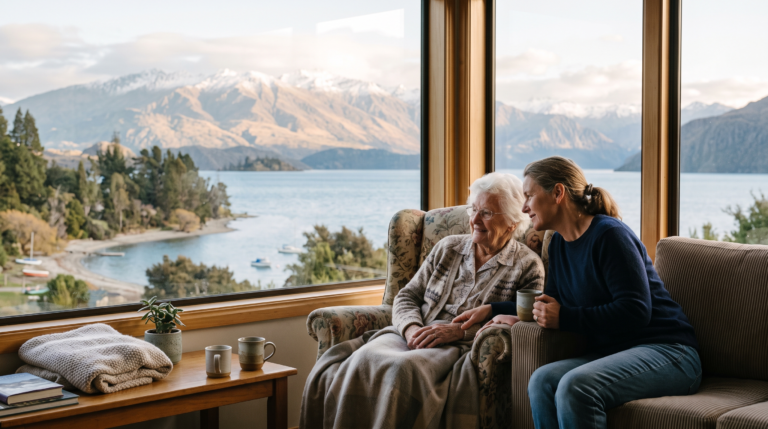
Early Signs of Dementia: When Should Families Step In?
The changes families notice first are rarely dramatic. Here is what is worth paying attention to, and what to do next.
Read advice →
VIDEO THUMBNAIL
Video
Dementia & Memory Support
Supporting Someone With Dementia at Home
A short walk-through of the practical things that help most: routine, familiar surroundings and the right kind of help.
Watch video →
FEATURED IMAGE
Article
Dementia & Memory Support
Dementia and Daily Routines: Building a Calmer Day
Why routine matters so much, and how families can shape a day that feels predictable without feeling restrictive.
Read advice →
FEATURED IMAGE
Article
Dementia & Memory Support
Respite Care for Someone With Dementia: How It Works in NZ
What respite actually looks like, how families arrange it, and what support may be funded through a needs assessment.
Read advice →
VIDEO THUMBNAIL
Video
Dementia & Memory Support
Sundowning at Night: What Families Can Do
If your parent seems like a different person once evening arrives, this explains why it happens and what helps.
Watch video →
FEATURED IMAGE
Article
Dementia & Memory Support
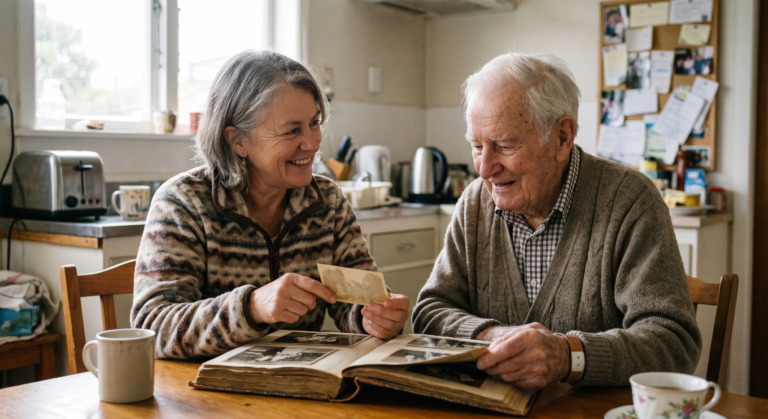
When Memory Changes Become Unsafe: Knowing When to Get Help
The signs that suggest more support is needed, and the options open to families before a crisis happens.
Read advice →
Common questions
Questions families ask about dementia
Short answers to the things we are asked most, with links to the full guidance where it helps.
Can someone with dementia continue living at home?
In most cases, yes — often for a long time. What matters is that the home is safe, the day has a predictable routine, and there is help with the tasks that have become difficult. Support is usually built up gradually rather than all at once. Read more →
What support is available for someone with dementia in New Zealand?
Support ranges from in-home care and day programmes to respite and specialist dementia services. Some of it may be funded following a needs assessment through your local NASC. Read more →
How do I know when it is time for more help?
The usual signals are safety-related: missed medication, leaving the stove on, getting lost on a familiar route, or a family carer who is no longer coping. These are worth acting on early. Read more →
What is respite care and how do we arrange it?
Respite gives the family carer a planned break while the person is supported at home or elsewhere. It can be arranged privately or through a needs assessment. Read more →
How do I talk to Mum or Dad about memory changes?
Start from something specific and practical rather than the word “dementia”, keep the conversation short, and involve their GP early — it is usually easier as a health check than as a confrontation. Read more →
Is dementia care funded in New Zealand?
Some home support and respite can be publicly funded after a needs assessment; other care is paid privately. The mix depends on the assessment outcome and the level of support required. Read more →
Trusted NZ sources
Trusted New Zealand information & support
Independent organisations that support families living with dementia across New Zealand.
Dementia New Zealand
National network of local dementia organisations offering education, carer support groups and community services.
Alzheimers New Zealand
Information, advocacy and local support for people living with dementia and the families who care for them.
Health New Zealand — Te Whatu Ora
Official guidance on assessments, funded support services and how to contact your local NASC.
Keep exploring
You may also find helpful
Category
Supporting Family Carers
Practical help for the person doing the caring — sharing the load, avoiding burnout and getting a break.
Category
Safety & Independence at Home
Falls, home set-up and the small changes that keep someone safe without taking away their independence.
Category
Costs, Funding & Planning
What home care costs in New Zealand, what may be funded, and how to plan ahead as needs change.
Need some extra support at home?
If someone you care about is finding everyday life more difficult, we’re happy to talk through what’s happening and help you understand your options — no pressure, no obligation.