
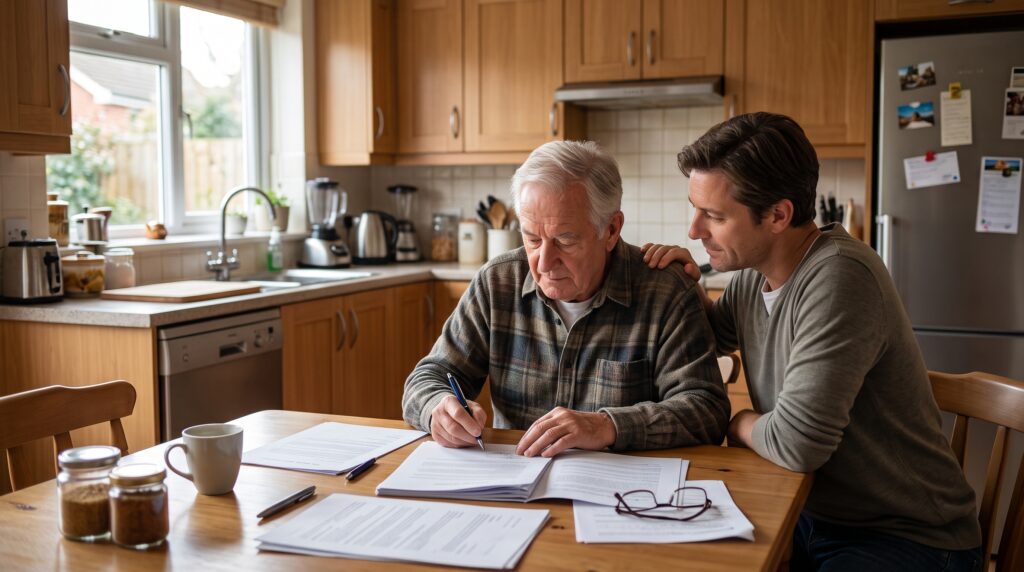
Talking about who should manage Mum’s finances if she becomes unwell, or who could make decisions about Dad’s care if he is no longer able to make those decisions himself, can feel uncomfortable when both parents are still independent. But that is precisely why it is worth having the conversation early.
In New Zealand, an Enduring Power of Attorney (EPA) allows someone to choose a trusted person to make certain decisions on their behalf. The important part is timing: an EPA needs to be arranged while the person is still mentally capable of understanding and making that decision.
If families wait until dementia has progressed, a stroke has occurred or another health crisis has affected someone’s ability to make decisions, it may be too late to arrange an EPA.
✅ Quick Answer
It is generally worth considering an Enduring Power of Attorney before it is needed. In New Zealand, there are two types: one for property and one for personal care and welfare. An EPA must be arranged while the person has the mental capacity to understand the decision they are making. This is why families should not wait for a crisis before discussing it.
✅ Key Takeaways
- There are two EPAs: Property and Personal Care and Welfare.
- Arrange them while Mum or Dad still has the mental capacity to make that decision.
- Being a spouse or child does not automatically give legal authority.
- Dementia does not automatically rule out making an EPA; capacity is what matters.
- Without an EPA, the Family Court may need to be involved.
- Needing home support is not the same as losing decision-making capacity.
What Is an Enduring Power of Attorney?
An Enduring Power of Attorney is a legal document that allows a person, known as the donor, to appoint someone they trust to make certain decisions on their behalf. The person appointed is known as the attorney.
An EPA is different from an ordinary power of attorney because it can continue to operate if the donor later becomes mentally incapable. This can be particularly important as people get older.
A sudden stroke, serious illness, brain injury or progression of dementia may affect someone’s ability to make or communicate decisions. Having the appropriate legal arrangements in place beforehand can help families understand who has the legal authority to make decisions when needed.
The Two Types of EPA in New Zealand
In New Zealand, there are two types of EPA, each covering different areas of decision-making.
| Type of EPA | What It Covers |
|---|---|
|
Property EPA |
Money, bank accounts, bills, property and other financial matters |
|
Personal Care and Welfare EPA |
Decisions about personal care and welfare when the person becomes mentally incapable |
Many people choose to arrange both, as having authority over financial matters does not automatically give someone the right to make personal care and welfare decisions.
Property EPA
A Property EPA relates to financial and property matters. Depending on how it has been set up, an attorney may be able to deal with things such as:
- paying bills
- managing bank accounts
- dealing with investments
- managing a house or other property
- handling financial arrangements
- paying for services or expenses on the donor’s behalf
A Property EPA can be set up to take effect while the donor is still mentally capable or only when they become mentally incapable. For example, an older parent may still be fully capable of making financial decisions but find it physically difficult to manage their banking or paperwork. Alternatively, they may want their attorney to act only if they can no longer manage their own affairs. The EPA document determines how that authority works.
Personal Care and Welfare EPA
A Personal Care and Welfare EPA covers decisions relating to someone’s personal care and wellbeing. This might include decisions about:
- where the person lives
- aspects of their day-to-day care
- healthcare and treatment
- support services
- other personal welfare matters covered by the EPA
Unlike a Property EPA, a Personal Care and Welfare attorney does not automatically gain the authority to make decisions simply because Mum or Dad is getting older, becoming physically frail, or needing help at home. Their authority operates when the donor becomes mentally incapable, subject to the requirements of New Zealand law.
For significant personal care and welfare matters, mental incapacity generally needs to be established by a relevant health practitioner or determined by the court.
Needing help is not the same as losing the ability to make your own decisions.
An older person may need significant practical support while still being fully capable of making decisions about their own life.

When Should Families Arrange an EPA?
The best time is before there is an urgent need for one. Families shouldn’t have to wait until a dementia diagnosis or major health event before discussing an EPA. Good opportunities to discuss it might include:
- when reviewing or updating a will
- when planning for retirement
- after moving into a retirement village
- when organising other financial affairs
- while planning how to remain at home long term
- following early health or mobility changes
- when beginning broader conversations about future care
The key is that Mum or Dad should still be able to understand what an EPA means, who they are appointing and the implications of that decision. Starting early also gives them time to think carefully about who they trust to make decisions on their behalf, rather than leaving the family to sort out these arrangements during a crisis.
👉 Read more: Planning Ahead for an Ageing Parent’s Care.
What Happens If Mum or Dad Already Has Dementia?
A dementia diagnosis does not automatically mean someone lacks the mental capacity to arrange an EPA. Someone in the early stages of dementia may still be able to understand:
- what an EPA is
- what authority they are giving
- who they want to appoint
- what the consequences of that choice may be
However, capacity can change as dementia progresses. If there are already concerns about memory or decision-making, seeking legal advice sooner rather than later is a sensible step. Families should not assume that it is too late to arrange an EPA or that there is plenty of time to do so. The legal professional involved can advise on the requirements for creating the EPA and whether further assessment may be appropriate.
👉 Read more: Dementia support at home.
Who Should Be Appointed as Attorney?
This deserves careful thought. The most convenient choice isn’t always the right one. An attorney should be someone the donor trusts to understand their wishes and act responsibly. Families may want to consider:
- Does this person understand Mum or Dad’s values?
- Can they remain calm when decisions are difficult?
- Are they comfortable dealing with professionals?
- Are they reliable with paperwork and communication?
- Can they separate their own preferences from what Mum or Dad would want?
- Will they communicate appropriately with other family members?
- Are they likely to be available if circumstances change?
For a Personal Care and Welfare EPA, New Zealand law allows only one individual attorney at a time, although successor attorneys can be nominated. Property arrangements have different options and may allow more than one attorney, depending on how the EPA is structured. Families should seek independent legal advice to understand which arrangement would best suit their circumstances.
Does the Attorney Get to Make Every Decision?
No. Appointing an attorney does not mean giving someone unlimited control. The attorney’s powers depend on:
- which type of EPA has been created
- what the EPA document authorises
- any conditions or restrictions included
- whether the legal requirements for the attorney to act have been met
New Zealand law also sets out the responsibilities of attorneys and limits on their authority. Importantly, an EPA should never be seen as a way for adult children to take control simply because they disagree with their parent’s decisions.
Older people retain their autonomy and decision-making rights while they are mentally capable. This remains true even when family members would have made a different choice.
EPA and Home Care: How Do They Fit Together?
An EPA does not mean someone needs home care. Likewise, receiving home support doesn’t automatically activate an EPA. They serve different purposes, but both can play an important role in planning for ageing at home.
For example, an older person may begin with a few hours of practical help each week while continuing to make all of their own decisions. Support might include:
- meal preparation
- shopping
- transport
- companionship
- home help
- mobility assistance
- help maintaining daily routines
Over time, their care needs may change. If dementia progresses or another health event affects the person’s ability to make decisions, an existing EPA may then become important when families, health professionals and support providers need clarity about who is legally authorised to make certain decisions.
👉 Read more: Home Help for Older People in NZ: A Complete Guide, or see Home Carers pricing for private support costs.
An EPA Does Not Replace Conversations About Future Care
Putting the legal paperwork in place is only one part of planning ahead. The attorney also needs to understand the person’s wishes. For example:
- Where would Mum prefer to live if she needed more support?
- Would she want to remain at home if that were reasonably possible?
- How would Dad feel about carers coming into the house?
- Who should be involved in important family discussions?
- What matters most to them about independence, privacy and daily routine?
- Are there cultural, spiritual or family considerations they would want respected?
Having these conversations can be just as important as putting the legal paperwork in place. If circumstances change, an attorney who understands the person’s wishes will be better placed to make decisions that reflect what matters most to them.
Other Things Worth Planning at the Same Time
An EPA is an important part of planning for the future, but it shouldn’t be the only thing families consider. Families may also want to discuss:
- An up-to-date will. An EPA and a will serve different purposes.
- Advance care planning. This can help record a person’s values and preferences about future healthcare.
- Important financial information. Keep essential documents organised and accessible to the appropriate people.
- Emergency contacts. Make it clear who should be contacted if something changes suddenly.
- Health information. Keep an accurate list of medications, conditions and relevant healthcare providers.
- Preferences about future support. Discuss what staying independent means to Mum or Dad and what kind of help they would be comfortable accepting.
- A plan for changing care needs. Think about home support, respite, mobility assistance and what the family would do if living alone became difficult.
👉 Read more: Financial support for ageing parents in New Zealand.
What If There Is No EPA and Someone Has Lost Capacity?
This is one of the situations that planning ahead can help families avoid. If someone is no longer able to make the relevant decisions and does not have an appropriate EPA, another person cannot simply create one for them afterwards.
Depending on the circumstances, an application may need to be made to the Family Court under the Protection of Personal and Property Rights Act. The Court can make various orders, including arrangements relating to personal welfare or property. The process will depend on the individual’s circumstances, so families facing this situation should seek advice from a qualified legal professional. The Ministry of Justice provides further information about who can make decisions when someone has lost mental capacity.
This is another reason not to wait until the family urgently needs someone to have decision-making authority.
A Practical EPA Checklist for Families
If Mum or Dad hasn’t arranged an EPA yet, here are some practical steps to get started:
- Ask whether they already have one. Do not assume.
- Find out whether they have both Property and Personal Care and Welfare EPAs.
- Check when the documents were prepared.
- Make sure the appointed attorney is aware of their role and understands what it involves.
- Check whether successor attorneys have been nominated.
- Encourage Mum or Dad to discuss their wishes with the attorney.
- Make sure the appropriate people know where the documents are kept.
- Seek legal advice if circumstances have changed or there is uncertainty about the documents.
- If there is no EPA, consider booking an appointment with a lawyer or trustee corporation while Mum or Dad still has the mental capacity to make that decision.
👉 Read more: NZ Law Society: powers of attorney.
The Best Time to Talk About an EPA Is Before It Feels Urgent
Families often start thinking about legal planning because something has changed. Perhaps Mum has begun repeating herself, Dad has recently had a fall, or a hospital stay has reminded everyone how quickly circumstances can change. Perhaps an adult child living overseas has started wondering who could step in if something happened to Mum or Dad.
These moments can encourage families to start the conversation, but there’s no need to wait until something happens.
Arranging an EPA doesn't mean preparing for the worst. It simply gives the person an opportunity to decide who they trust and how they would like future decisions handled while the choice is still theirs to make.
Planning Ahead Helps Families Focus on What Matters
Legal planning is only one part of preparing for later life. There may also be conversations about where Mum or Dad wants to live, how they would like support organised, what independence means to them and who they want involved if their needs change. Having those conversations early can help everyone feel more prepared when decisions need to be made later.
Home Carers works alongside families when practical support at home becomes part of that plan. This might begin with a few hours of help each week and change over time to include dementia support, respite, overnight care, mobility assistance or more comprehensive support.
Home Carers does not provide legal advice or prepare Enduring Powers of Attorney. Families should seek advice from a qualified legal professional about their individual circumstances. We can help with the practical side of planning, supporting Mum or Dad to continue living safely and comfortably at home as their needs change.
🔗 MORE FROM OUR BLOG
- Repeated Falls in Older People
- How In-Home Physiotherapy Supports Recovery for Older Adults in New Zealand
- Moving Safely, Living Confidently: How Mobility Services Ltd and Home Carers Support Independence at Home
- The First 2 Weeks After Hospital Discharge Are Critical
- Moving Forward Together: How The Mobile Physio & Home Carers Support Recovery and Independence
Thinking Ahead About an Ageing Parent’s Care?
Visit Home Carers New Zealand to explore practical support options that help older people remain comfortable and independent at home. From a few hours of weekly help to dementia care, respite and overnight support, we’re here for families across New Zealand.
Starting the conversation early can make planning the next steps feel much easier.
Whether your family needs support now or is thinking ahead, our team is here to help you explore your options and find the right support for Mum or Dad.
YOU CAN ALSO REACH US DIRECTLY
Frequently Asked Questions
What is an Enduring Power of Attorney in New Zealand?
An Enduring Power of Attorney is a legal document that allows someone to appoint a trusted person to make certain decisions on their behalf.
At what age should you get an EPA in New Zealand?
There is no specific age at which someone needs to arrange an EPA. The important point is to arrange one while the person is mentally capable of understanding and making the decision. Many people arrange EPAs as part of their wider financial and future care planning.
Do both parents need their own EPA?
Yes. An EPA belongs to an individual. One spouse's EPA does not automatically cover the other person.
Can my children automatically make decisions for me if I lose capacity?
No. Being someone's child does not automatically give them legal authority to make decisions on their behalf. An appropriately appointed EPA provides legal authority within the scope of the document. Without one, Family Court involvement may be necessary in some circumstances.
Can someone with dementia still make an EPA?
Yes, in some circumstances. A dementia diagnosis does not automatically mean someone is unable to arrange an EPA. What matters is whether they can understand the nature and consequences of the decision at the relevant time. Legal advice should be sought where capacity is uncertain.
When does a Personal Care and Welfare EPA start?
A Personal Care and Welfare attorney acts when the donor becomes mentally incapable, subject to the requirements under New Zealand law. Significant decisions generally require mental incapacity to be established by a relevant health practitioner or determined by the court.
Can a Property EPA be used before someone loses capacity?
It can be, depending on how the EPA has been set up. A Property EPA may authorise the attorney to act while the donor remains mentally capable or only after mental incapacity.
Is an EPA the same as a will?
No. They perform different roles. An EPA deals with decision-making during a person's lifetime, while a will sets out what should happen to their estate after death.