
The 2026 Guide
to Home Care, Rest Home & Retirement Village Costs

Why We Created This Guide
Choosing care for an ageing parent can feel overwhelming.
Many families don't know:
- How much home care costs
- What rest homes actually charge
- How retirement villages work
- What additional fees may apply
- Which option is best for their situation
This guide provides a practical overview to help families make an informed decision.
The Three Main Care Options
Home Care
Support delivered in your own home.
Retirement Village
Independent living with community facilities.
Rest Home / Hospital Care
Residential care with 24-hour staff onsite.
Option | Home Care | Retirement Village | Rest Home / Hospital Care |
|---|---|---|---|
Home Care
| High | Low-Medium | |
Retirement Village | Partial | Medium | High |
Rest Home | Lower | High |
Typical Home Care Costs
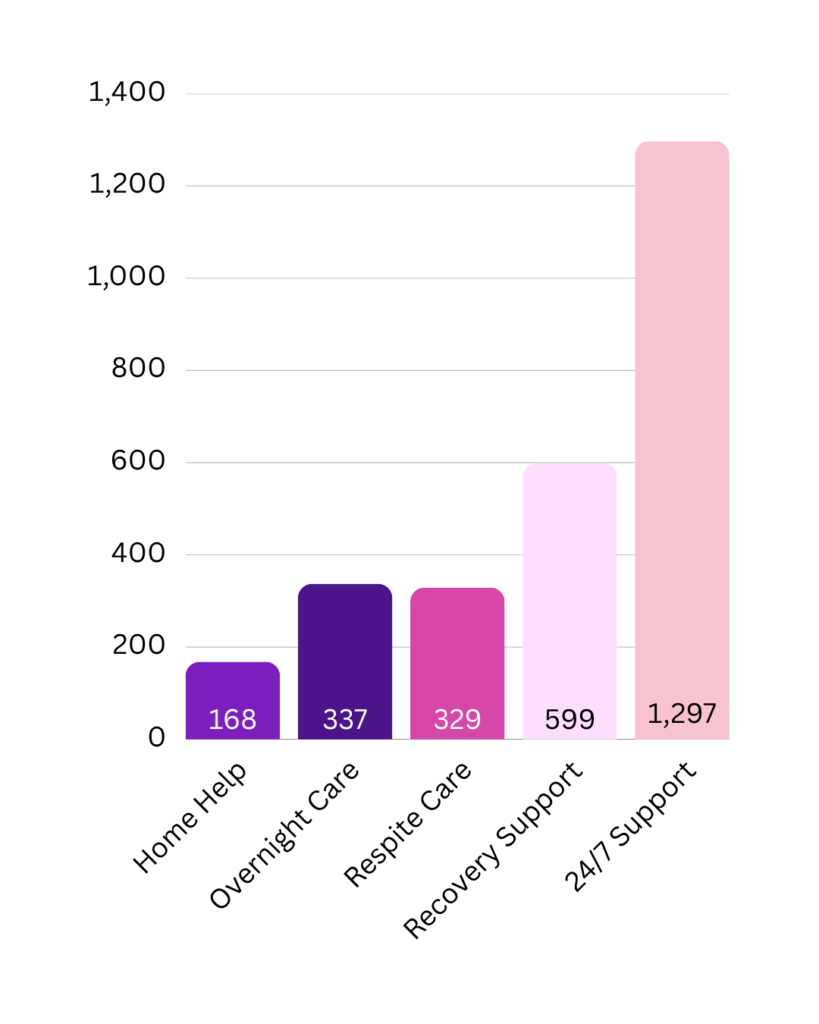
Most families spend between $169 and $799 per week depending on the level of support required.
Service | Typical Starting Cost |
|---|---|
Home Help
| From $112/week
|
Respite Care
| From $337/week
|
Overnight Care
| From $329/night
|
Recovery Support
| From $599/week
|
24/7 Support
| From $1,297/week
|
* Every family is different. Costs vary based on hours, complexity and location.
The Real Cost of a Retirement Village
Many families are surprised by how retirement villages work.
Typical costs may include:
- Purchase price
- Weekly village fees
- Deferred management fees
- Refurbishment fees
- Resale costs
* Costs vary significantly between villages.
Example:
Cost Type
Entry Price
Weekly Fees
Deferred Management Fee
Typical Amount
$500,000-$900,000+
$150-$250+
Up to 30%
The Real Cost of Residential Care
Rest homes can be excellent when higher levels of support are required.
Potential costs may include:
- Basic accommodation
- Premium room fees
- Personal items
- Hairdressing
- Outings
- Additional therapies
* Families should always ask for a complete breakdown before committing.
Home Care vs Residential Care
This is the centrepiece of the guide.
Question | Home Care | Residential Care |
|---|---|---|
Stay in own home? |  |  |
Keep routines? | Limited | |
Choose carers? | Usually | No |
Family involvement
| High | Medium |
Pets remain? | | Usually No |
Cost flexibility
| High | Lower |
24/7 support available
| | |
When Home Care Usually Makes Sense
Home care is often the better choice when:
- Mum wants to remain at home
- Family is actively involved
- Support needs are moderate
- Familiar surroundings are important
- Independence matters
When Residential Care May Be Better
Residential care may be appropriate when:
- Medical needs are very high
- Safety can no longer be managed at home
- Significant overnight supervision is required
- Family support is limited
Government Funding & Needs Assessments
Financial support may be available depending on your parent's circumstances. The process works in four steps:
- Request a Needs Assessment (NASC)
Book a free NASC assessment. Most families can self-refer without a GP.
- Understand What's Funded
Funding may cover home help, personal care, respite, and eligible residential care.
- Asset & Income Testing
The Residential Care Subsidy is means-tested and depends on your assets and income.
- Apply and Plan for the Gap
Funding can take time. Many families use private care while waiting or for greater flexibility.
Funded Support Type | What It Covers |
|---|---|
Home Support (Te Whatu Ora / ACC)
| Personal care and household tasks for those who qualify after NASC assessment
|
Residential Care Subsidy
| Contributes toward rest home costs for eligible people with limited assets
|
Carer Support
| Respite funding to give family carers a break — usually a set number of days per year |
Disability Allowance (WINZ)
| Ongoing payment toward disability-related costs, including some care expenses
|
How Costs Change as Care Needs Grow
Most families begin with light support and increase care over time. Knowing how costs change at each stage helps you make informed decisions before needs become more complex.
Stage 1
Early Support
- 2–5 hours of weekly home help and occasional check-ins.
- Home Care: Most suitable option
- Retirement Village: Good for independent living and social connection
- Rest Home: Not usually needed
From $112/week
Stage 2
Moderate Support
- Daily personal care and meal support
- Home Care: Flexible and personalised
- Retirement Village: Suitable if care services are available
- Rest Home: May become appropriate
$500–$800/week
Stage 3
High Support
- 3–5 hours per week
- Housekeeping and occasional check-ins
- Home Care: Most suitable option
- Retirement Village: Good for independent living and social connection
- Rest Home: Not usually needed
From $1,297/week
*The earlier support is put in place, the more options your family has, and the more cost-effective the overall journey tends to be.
What Does Care Really Cost Over 5 Years?
Weekly prices only tell part of the story. Here’s what care may cost over time, based on 2026 starting rates.
Option | Year 1 | 3 Years | 5 Years |
|---|---|---|---|
Home Help only | ~$8,700 | ~$26,000 | ~$43,000 |
Moderate Home Care (combined services) | ~$26,000–$42,000 | ~$78,000–$126,000 | ~$130,000–$210,000 |
24/7 Home Care | ~$67,000 | ~$201,000 | ~$335,000 |
Rest Home
| ~$78,000–$104,000 | ~$234,000–$312,000 | ~$390,000–$520,000 |
Retirement Village | $500K–$900K entry + ~$10,000/yr fees | DMF reduces refund progressively | Capital locked in, exit costs increase over time |
*Illustrative figures based on 2026 starting rates. Actual costs depend on individual needs, location, and provider.
Costs Families Often Forget to Include
Even when comparing providers carefully, many families forget to budget for everyday expenses that can affect the overall cost of ageing well.
Consider whether you may also need:
- Mobility equipment
- Home safety modifications
- Pharmacy delivery
- Continence products
- Meal delivery services
- Transport to appointments
- Additional heating in winter
- Personal alarms
*Some of these services may be partially funded or vary depending on your location. See the Government Funding section above for details on what may be subsidised in your region.
Think Beyond This Month
One of the biggest misconceptions about home care is that families need to start with full-time support.
In reality, most families begin with only a few hours of assistance each week. As needs change, support can be adjusted gradually, rather than committing to the highest level of care immediately. This flexibility allows many families to manage costs while helping their loved one remain safely at home for longer.
What this means in practice:
- You don't need to commit to the highest level of care from day one
- Support can be added or reduced as circumstances change, no lock-ins
- Starting earlier with lighter support is often more cost-effective than waiting for a crisis
- Flexibility is one of the most valuable, and least-discussed advantages of home care
*Some of these services may be partially funded or vary depending on your location. See the Government Funding section above for details on what may be subsidised in your region.
QUICK PLANNING TIP:
Don’t just ask,
“What’s the cheapest option today?”
Also ask,
“Which option will give our family the greatest flexibility over the next 3–5 years?”
For many families, the answer often leads to a better long-term financial decision.
FAQ
What are all the costs?
Private home care costs in NZ depend on the type of support needed, the number of hours required, and whether care is needed during the day, overnight, weekends, or public holidays. Home Carers provides transparent pricing and personalised quotes based on each family’s situation.
Are there setup fees?
In many situations, yes. Home care allows families to purchase only the support they need, while rest homes and residential care often involve accommodation costs, facility fees, and additional charges.
Are there travel charges?
Private home care can include companionship, personal care, meal preparation, shopping, light household support, recovery support, respite care, overnight support, dementia support, and 24/7 care, depending on the person’s needs.
Who provides the care?
Many older adults can remain safely at home with the right support in place. The best option depends on their health, mobility, safety, and the level of assistance required.
Can I change hours?
In many cases, support can begin within a few days. We offer a free assessment and can often arrange care quickly when families need urgent assistance.
What happens if care needs increase?
Yes. Our dementia-trained carers provide routine-based support, companionship, supervision, and assistance tailored to each person’s needs.
How quickly can support start?
Overnight care provides reassurance and support throughout the night. This may include assistance with toileting, mobility, medication reminders, fall prevention, and responding to needs as they arise.
What happens after hospital discharge?
24/7 care provides continuous support through a team of carers working in shifts. This is often used following hospital discharge, for advanced dementia, or when someone requires constant supervision.
How will family receive updates?
We take the time to understand your family’s needs, personality, interests, and care requirements before introducing a suitable carer. If it’s not the right fit, our Carer Match Guarantee means we’ll find another.
Can I meet the carer beforehand?
Yes. Families receive regular updates and communication, providing reassurance and helping everyone stay informed about their loved one’s wellbeing.
Prefer a Printable Version?
Keep this guide for later or share it with your family. Download the complete Cost Comparison Guide as a professionally designed PDF, ideal for discussing care options together, comparing costs, or bringing along to appointments.